
For years, I told myself I’d just “live with it.” A receding hairline and thinning crown didn’t happen overnight—but they gradually chipped away at my confidence. Like many people, I spent months (if not years) researching solutions, comparing treatments, and weighing up whether a hair transplant was truly worth it.
Eventually, I took the leap. If you’re currently exploring your options, here’s an honest, experience-driven look at how I decided on a hair transplant Glasgow offers—and what the journey typically looks like for most people.
The Turning Point: Why I Chose a Hair Transplant
There wasn’t one single moment—it was a build-up of small realizations:
- Styling tricks were no longer working
- Hair loss products gave minimal results
- I became more self-conscious in photos and social settings
What ultimately convinced me was understanding that modern hair transplants are natural-looking, minimally invasive, and long-lasting. Once I saw real before-and-after results and learned how advanced techniques had become, the decision felt much easier.
Step 1: The Initial Consultation
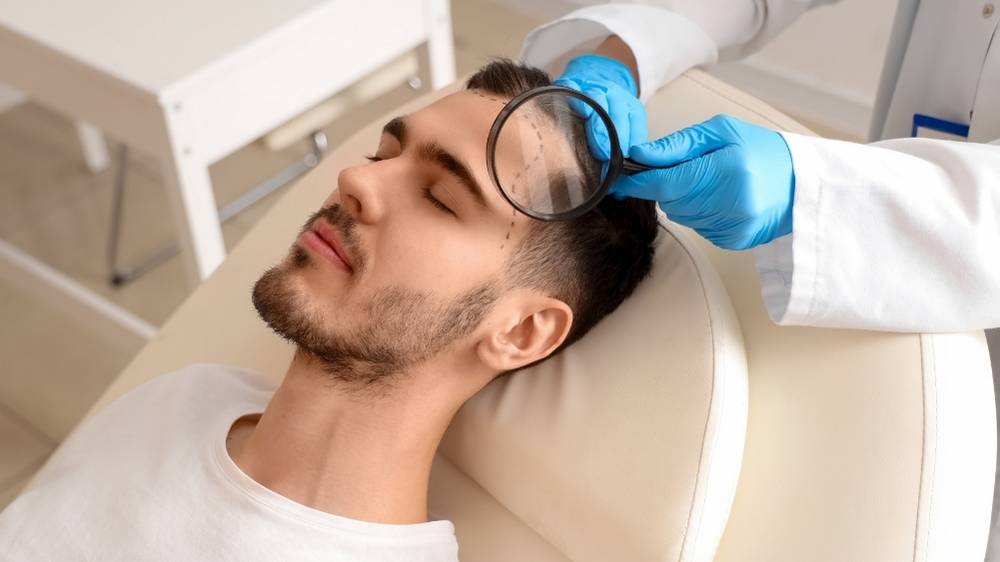
The first step is always a consultation. This is where everything becomes more real—and more reassuring.
During this stage, a specialist will:
- Assess your hair loss pattern
- Examine donor areas (usually the back/sides of your head)
- Discuss your expectations and goals
- Recommend the most suitable treatment approach
You’ll also get a clearer idea of how many grafts you may need and what kind of results are realistically achievable.
Step 2: Understanding the Procedure
Most modern clinics offer advanced techniques like FUE (Follicular Unit Extraction). Here’s a simplified breakdown of what happens:
- Hair follicles are extracted individually from the donor area
- Tiny incisions are made in the recipient area
- The follicles are carefully implanted to match natural growth patterns
The procedure is usually done under local anaesthetic, meaning you’re awake but comfortable throughout.
Step 3: The Day of the Treatment
On the day itself, expect:
- A relaxed clinical environment
- The procedure lasting several hours (depending on graft count)
- Minimal discomfort due to anaesthesia
- Short breaks during the session
It’s far less intimidating than most people imagine. Many patients even listen to music or watch something during the process.
Step 4: Recovery and Aftercare
Recovery is surprisingly manageable. Here’s what most people experience:
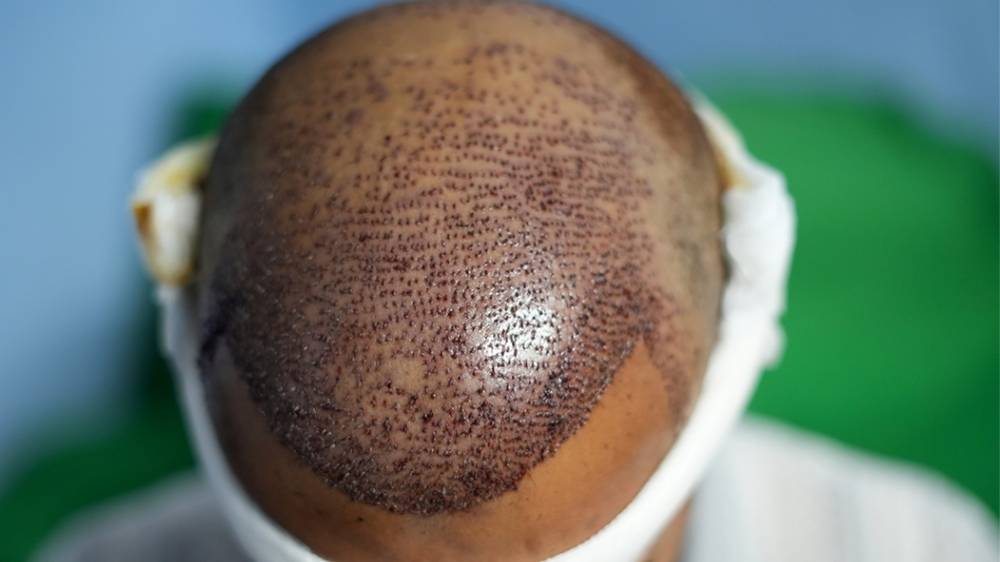
- Mild redness and scabbing for a few days
- Some shedding of transplanted hairs within a few weeks (this is normal)
- Gradual regrowth starting around 3–4 months
- Full results visible within 9–12 months
Following aftercare instructions is crucial to achieving the best outcome.
Step 5: The Results (And Why It’s Worth It)
The biggest change isn’t just physical—it’s psychological.
With successful treatment:
- Hair looks natural and permanent
- Confidence improves significantly
- Daily styling becomes easier
- You stop worrying about concealing hair loss
For many, it’s a long-term investment in both appearance and self-esteem.
What I Wish I Knew Earlier
Looking back, the biggest misconception was thinking the process would be painful, risky, or unnatural. In reality, modern procedures are highly refined and tailored to each individual.
The key is choosing the right clinic and having realistic expectations from the start.
Final Thoughts
Deciding to undergo a hair transplant is a personal journey—but it doesn’t have to be a confusing one. With the right information and professional guidance, it becomes a straightforward, well-managed process with life-changing results.
If you’ve been considering your options, exploring a trusted hair transplant Glasgow provider could be the step that finally moves you forward.

A faith and community writer, Charlotte discusses church traditions, local events, and the role of St Peter & St Paul Church in modern spiritual life.

Recent Comments